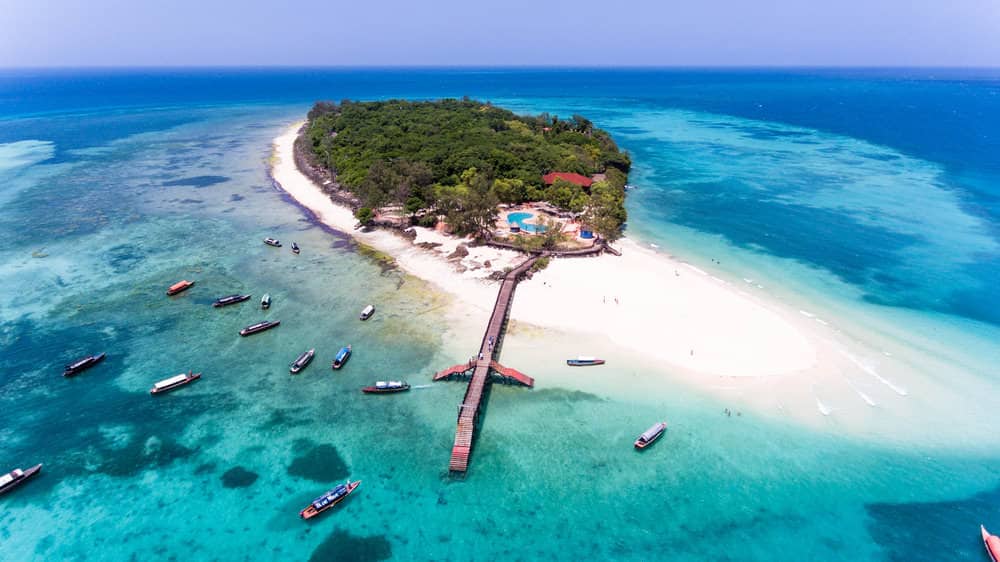
The name Zanzibar is an Arabic word that is translated as ‘the coast of black people’. It is a semi-autonomous region of Tanzania. The island has the best beaches in the world – and this is not an exaggeration. If you love lazing around in the sun, then this is the place to go.
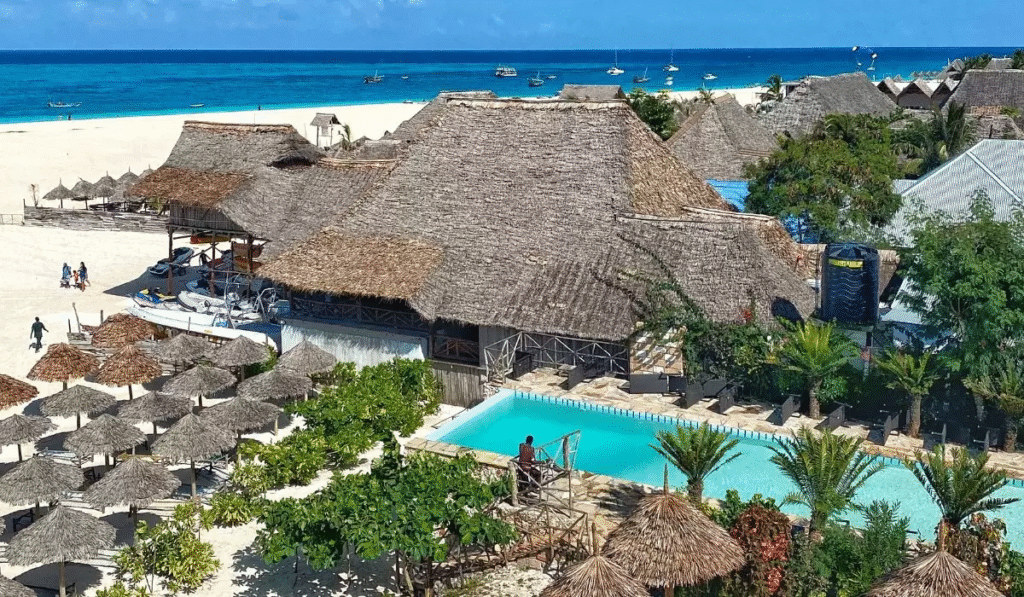
The Island of Zanzibar boasts pristine white sand beaches, abundant sunshine, exotic Swahili dishes, hospitable people, and luxury tourist resorts. If your idea of fun is to mix a jungle safari with lazing on the beach, then you have just found a hidden gem in Zanzibar.
1. Zanzibar is comprised of several islands, but two are the larger ones. Ugunja is the largest one and is erroneously called Zanzibar. The other is called Pemba.
2. Zanzibar has been home to intelligent humans (Homo sapiens) for more than 20,000 years.
3. The island is home to the almost extinct Zanzibar Red Columbus Monkey, the Zanzibar Servaline Genet, and the Zanzibar Leopard.
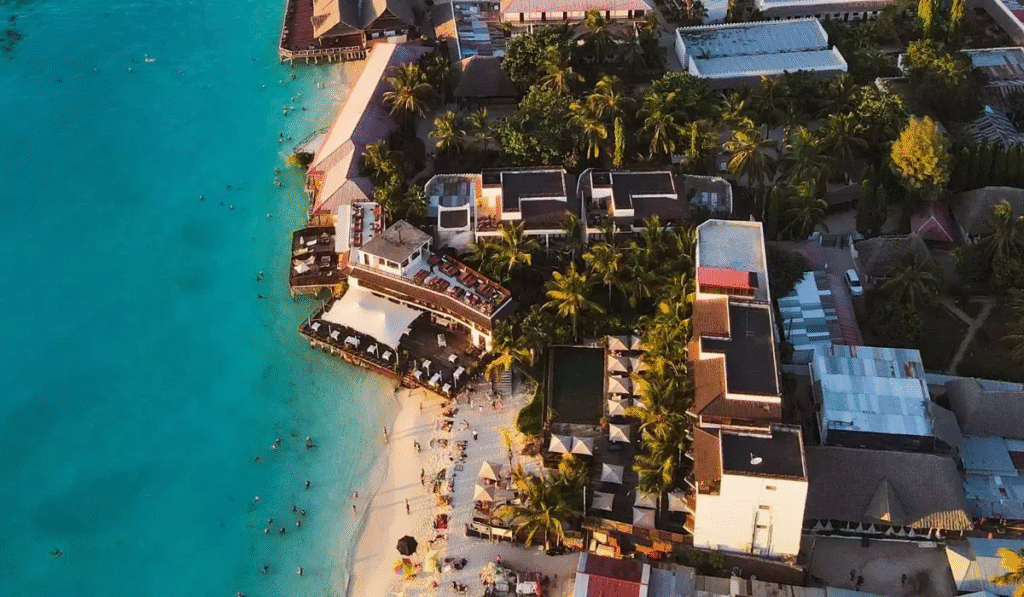
4. The capital of Zanzibar is called Zanzibar City and its most historic feature is the ancient Stone Town.
5. Due to its proximity to the Equator, Zanzibar is warm throughout the year and has equal days and nights (12 hours each) like most of the East African Countries.
6. Apart from tourism, the other economic activity in Zanzibar is spice growing. The island is sometimes fondly referred to as The Spice Island due to its cloves, nutmeg, cinnamon, and black pepper.
7. Some ancient potteries have been discovered in Zanzibar showing that it was a major trading route for the ancient Assyrians.
8. Amazingly, the shortest war ever recorded by man is the Anglo-Zanzibar War where the British bombarded the Beit al Hukum Palace and after 38 minutes, a ceasefire was called.
9. Thanks to Monsoon Winds, by the first century, Arabs, Persians, and Indians were sailing to Zanzibar in their fast sailing dhows.
10. Throughout history, the Persians, Portuguese, Omani, and British have fought to control the important island. It was seen as a gateway to mainland East Africa. The Sultanate of Omani was the first to trade slaves, cloves, and ivory from the East African Mainland.
11. Zanzibar is a year-round destination temperature-wise with average daytime highs between 28C and 32C and night-time lows between 20C and 25C. February is the most humid month, while March to May are the wettest.
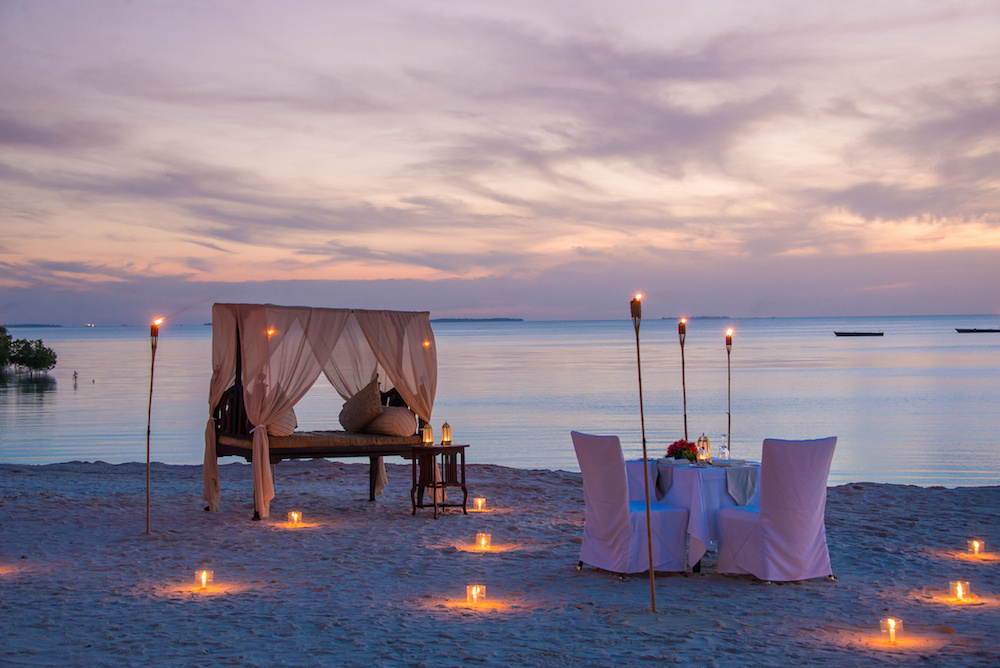
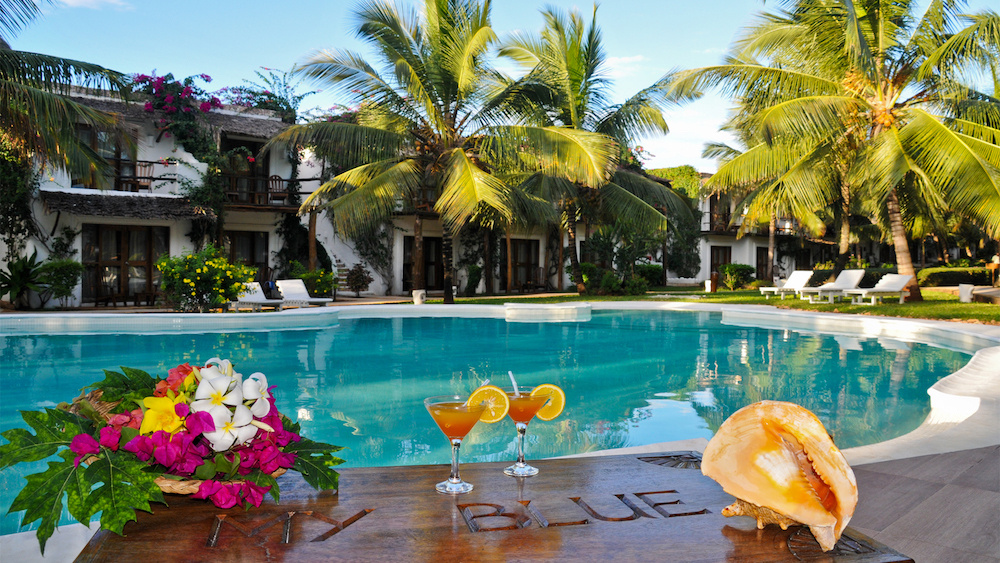
12. Zanzibar is a super affordable tropical island experience for rand-bearing South Africans, especially over the Easter holidays when there are an abundance of special offers. This year, The Holiday Factory has pulled out all the stops and is offering seven-night packages for four- and five- star Zanzibar resorts starting from as little as R13,600 pps, including return flights, airport taxes, return airport transfers and breakfast and dinner daily (limited availability – Ts and Cs apply). Check out the detailed offers for: Uroa Bay Beach Resort (four-star), My Blue (four-star), Gold Zanzibar (five-star), Sea Cliff Resort & Spa (five-star) and Karafuu Village Beach Resort (five-star).
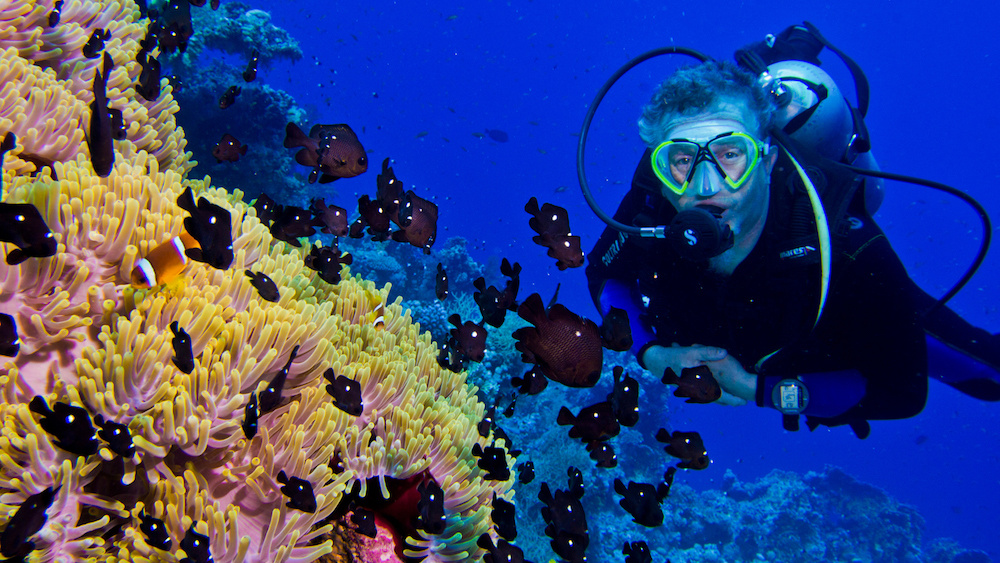
13. With living reefs surrounding the islands, Zanzibar is a prime dive destination. The water temperature is warm, visibility is usually excellent, currents are weak and there’s an abundance of colourful fish, all of which contributes to an ideal location for first time and novice divers. Many of the larger resorts on the North and East coasts have professionally-run dive shops on-site. Qualified divers must produce their certification and a log book.